
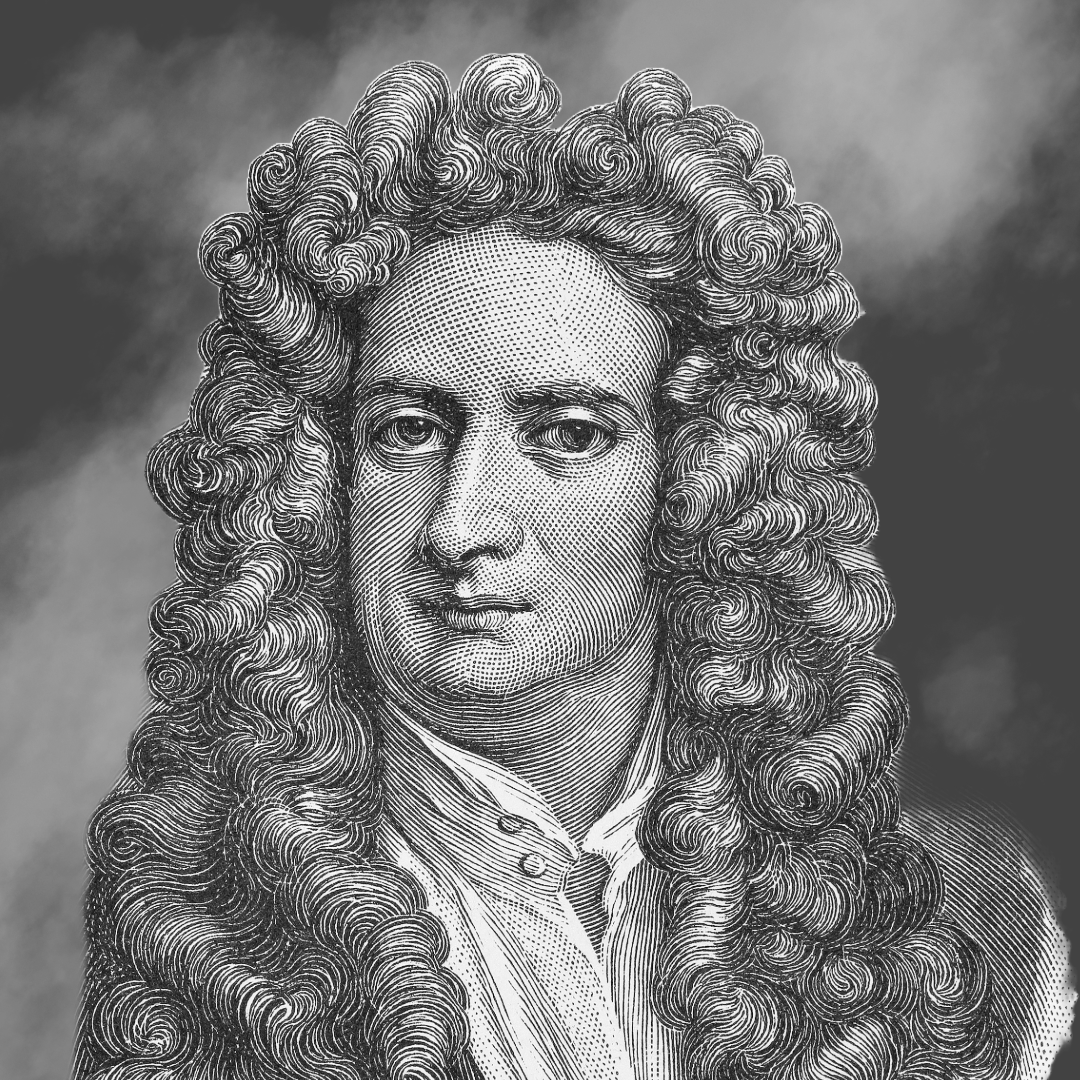

Isaac Newton, one of the most influential scientists in history, is often retrospectively speculated to have had dyspraxia, also known as Developmental Coordination Disorder (DCD). While there is no formal diagnosis from his time, several aspects of his behavior and personal accounts suggest he may have exhibited characteristics consistent with dyspraxia:
- Clumsiness and Coordination Issues: Historical accounts describe Newton as being somewhat clumsy and uncoordinated in his physical movements. This is a common symptom of dyspraxia, which affects motor skills and coordination.
- Handwriting: Newton’s handwriting was notoriously difficult to read. People with dyspraxia often struggle with fine motor skills, making tasks like handwriting particularly challenging. His manuscripts were filled with corrections and alterations, indicating a struggle to write neatly and clearly.
- Social Interaction: Newton was known to be socially awkward and introverted. While social difficulties are not exclusive to dyspraxia, many individuals with dyspraxia also struggle with social skills due to their coordination issues and potential speech difficulties.
- Obsessive Focus on Details: Newton’s ability to focus intensely on his work, sometimes to the exclusion of all else, is another trait that can be associated with dyspraxia. His meticulous approach to scientific inquiry and his ability to spend long hours absorbed in thought and experimentation are indicative of a mind that worked in a unique way.
- Daily Living Skills: There are reports that Newton struggled with basic daily living skills, such as dressing himself properly and maintaining personal hygiene. These challenges are consistent with dyspraxia, which can affect an individual’s ability to perform everyday tasks efficiently.
- Innovative Thinking: Despite (or perhaps because of) his difficulties with traditional learning and coordination, Newton’s innovative thinking led to groundbreaking discoveries in physics and mathematics. His unique approach to problem-solving and his ability to think outside the box may have been influenced by his atypical neurological makeup.
While we cannot definitively diagnose historical figures with modern medical conditions, the behaviors and characteristics exhibited by Isaac Newton suggest that he may have had dyspraxia. His remarkable achievements in science and mathematics demonstrate that individuals with dyspraxia can excel and make significant contributions to their fields. Newton’s life and work highlight the importance of understanding and supporting different ways of thinking and learning.